

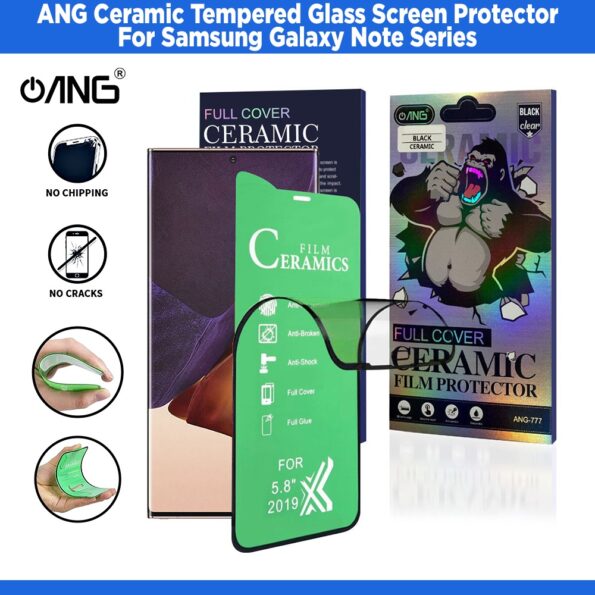
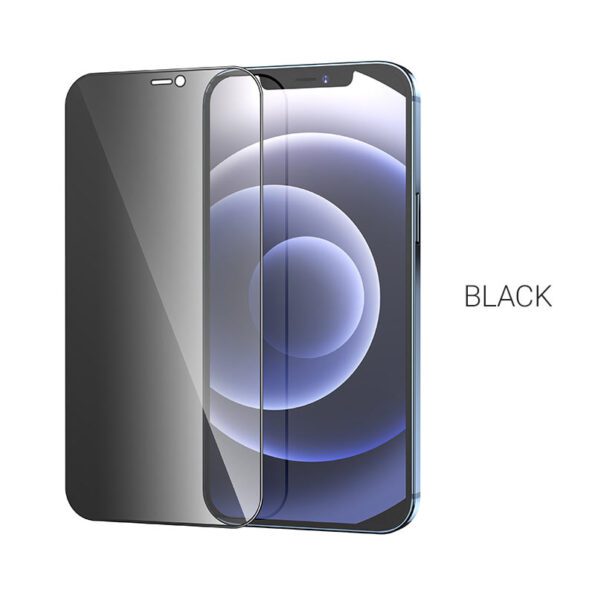
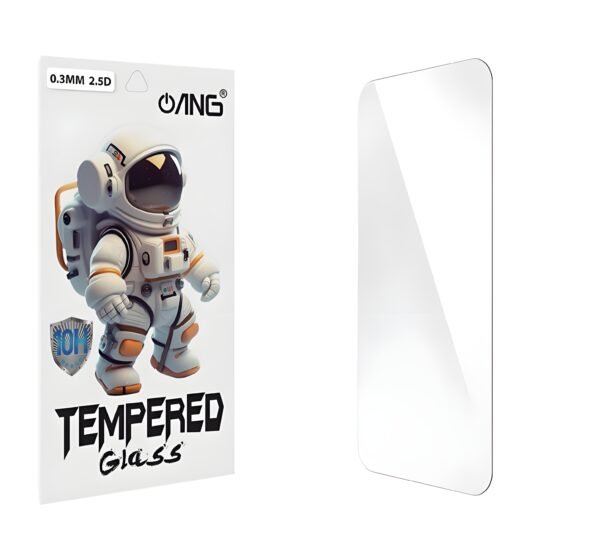
Choose the Perfect Screen Protector for Your Everyday Needs
Screen protectors are now a must-have for anyone looking to maintain the clarity and durability of their smartphone, tablet, smartwatch, or laptop screen. Whether you’re constantly on the move, navigating a busy workday, spending time outdoors, or simply want to keep your device looking new, the right screen protector provides dependable defense against scratches, smudges, and accidental drops. From ultra-slim protective films to toughened tempered glass and privacy-enhancing variants, there’s an ideal choice for every type of user. Lightweight films provide simple daily protection, while sturdy glass options deliver superior impact resistance. For individuals working around others, privacy screens block side views, and matte protectors help reduce glare for outdoor usage.
Selecting the right screen protector involves more than just choosing a material. Factors like transparency, touch sensitivity, installation ease, device compatibility, and additional features, such as fingerprint resistance or blue-light reduction, play a crucial role. Today’s screen protectors are designed to blend high durability with crystal-clear visuals and smooth responsiveness, offering strong protection without compromising your viewing or touch experience.
In this updated guide, we’ll explore the main categories of screen protectors, highlight their unique benefits, and help you determine which option aligns best with your daily routine, whether your focus is maximum clarity, enhanced privacy, impact resistance, or a flawless touch feel.
What’s New in Screen Protector
Screen protectors today are smarter and stronger than ever. Many now use tough tempered glass that can handle drops and hits, while flexible film protectors can fix small scratches on their own. Privacy protectors keep your screen safe from people looking over your shoulder, and blue-light filters help reduce eye strain if you use your device for long hours.
Newer screen protectors also come with easy installation kits, making it simple to apply them without bubbles or dust. If you often use your device outdoors, anti-glare protectors help reduce reflections so you can see your screen clearly. Plus, special coatings help fight fingerprints and smudges, keeping your display cleaner throughout the day.
Why Your Device Needs a Quality Screen Protector
Your device screen is one of its most important and most fragile parts. A quality screen protector helps guard it from scratches, cracks, and everyday damage. It doesn’t just protect your screen, it keeps your device looking new and working smoothly.
Good screen protectors also keep touch sensitivity high, so your taps and swipes feel natural. Some protect your privacy, while others keep your eyes comfortable by blocking harsh blue light. With a reliable screen protector, you don’t have to worry as much about drops, bumps, or rough surfaces.
Your Guide to Screen Protectors: Easy Types, Features & Helpful Tips
If you’re looking for something strong for drop protection, something thin and smooth for everyday use, or something that keeps your screen private in public places, understanding screen protector features can help you make the right choice. In this guide, we’ll break everything down in simple terms so you can choose a protector that fits your lifestyle and keeps your device safe for the long run.
1. Types of Screen Protectors
- Tempered Glass: Strong and protective. Great for preventing cracks and major damage.
- Film Protectors (PET/TPU): Thin, flexible, and perfect for stopping scratches.
- Privacy Protectors: Hide your screen from people nearby—good for work or travel.
- Anti-Glare / Matte Protectors: Reduce screen reflections, ideal for outdoor use.
- Blue-Light Filter Protectors: Help reduce eye strain during long screen time.
2. How to Choose the Right One
- Material: Choose glass for strong protection or film for light, everyday use.
- Finish: Clear if you want bright colors, matte if you want fewer reflections.
- Fit: Make sure it’s made for your exact device model.
- Protection Level: Look for scratch resistance and drop protection.
- Extras: Fingerprint resistance, privacy, blue-light filtering, easy installation frames.
3. How to Take Care of Your Screen Protector
- Wipe it regularly with a soft microfiber cloth.
- Keep your device away from sharp objects in your bag or pocket.
- Replace the protector if it cracks so your screen stays safe.
- Avoid extreme heat or leaving your device in direct sunlight for too long.
How Screen Protectors Make Daily Life Easier
Screen protectors are useful for everyone. Office workers can protect sensitive information with privacy glass. Travelers and students rely on tough tempered glass to keep their screens safe from drops. Gamers and content creators enjoy clear views without scratches or smudges. Even casual users appreciate having a smooth, clean screen that lasts longer. Choosing the right screen protector helps you use your device confidently, anytime, anywhere.
Final Words
A good screen protector does more than stop scratches. It keeps your screen clean, safe, and easy to use. Whether you want a slim film, a strong tempered glass protector, or a privacy screen for work, iTech has a wide selection to match your needs. With the right screen protector, your device stays protected and ready for anything. Explore our collection today and find the perfect iTech Screen Protector and more phone accesories for your device.
Frequently Asked Questions (FAQs)
1. Do I really need a screen protector?
Yes. A screen protector helps prevent scratches, cracks, and smudges. It keeps your screen looking new and can save you from expensive repairs.
2. What’s the difference between tempered glass and film protectors?
Tempered glass is thicker and stronger, offering better drop protection.
Film protectors are thin, flexible, and mainly protect against scratches.
3. Will a screen protector affect touch sensitivity?
Good-quality protectors keep your screen smooth and responsive, so touch sensitivity should feel the same.
4. Can a screen protector reduce fingerprints?
Many protectors have a special coating that helps resist fingerprints and smudges.
5. How often should I replace my screen protector?
Replace it if you notice cracks, deep scratches, or peeling edges, as damaged protectors cannot offer full protection.