

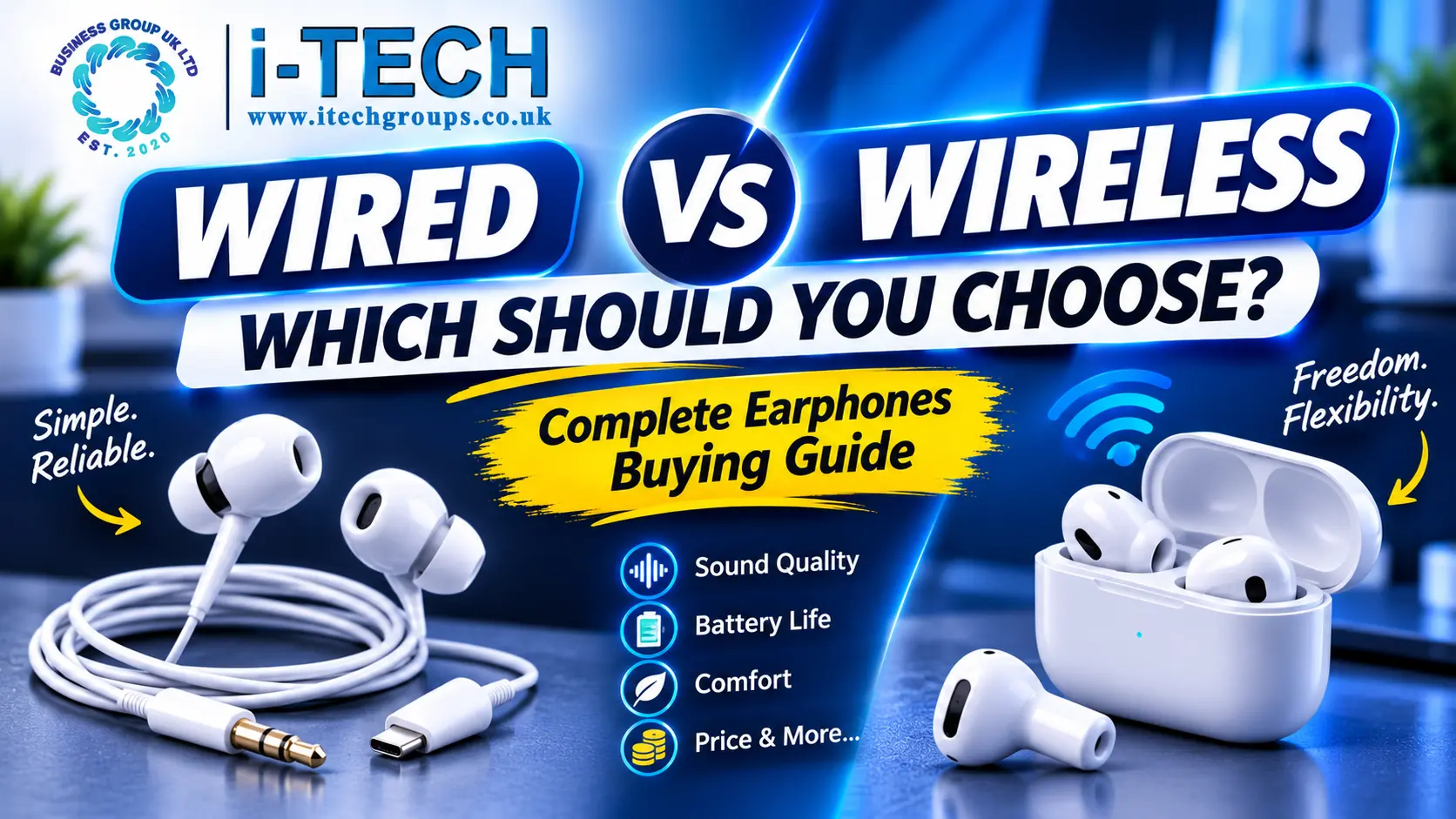
Choosing between wired and wireless earphones can be difficult, especially with so many options available in the UK. Some people prefer the simplicity of traditional wired earphones, while others enjoy the freedom and modern features of Bluetooth earbuds.
The wired vs wireless earphones debate comes down to how you listen to music, where you use your earphones and which features matter most to you. Sound quality, battery life, comfort, connectivity and price can all influence your decision.
Whether you need earphones for travelling, studying, gaming, working or everyday entertainment, this guide will help you understand the differences and choose a suitable option.
Wired vs Wireless Earphones: What Is the Difference?
The main difference is how the earphones connect to your device.
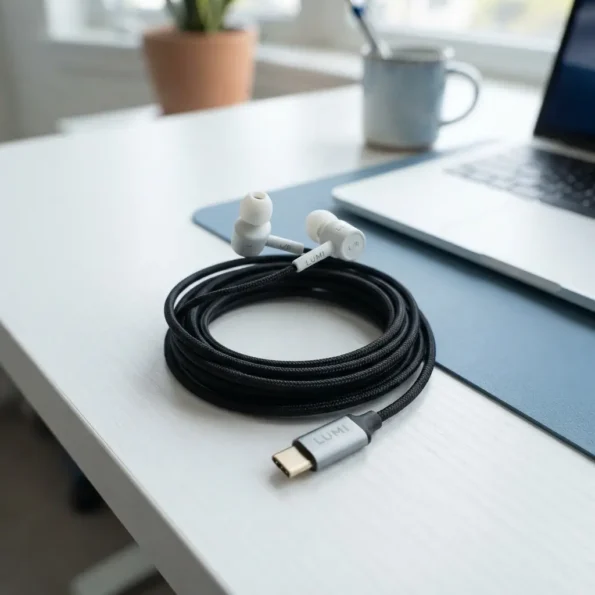
Wired Earphones use a physical cable to connect directly to a compatible smartphone, laptop, tablet or other audio device. Depending on the model, they may use a 3.5mm audio plug or a USB-C connector.
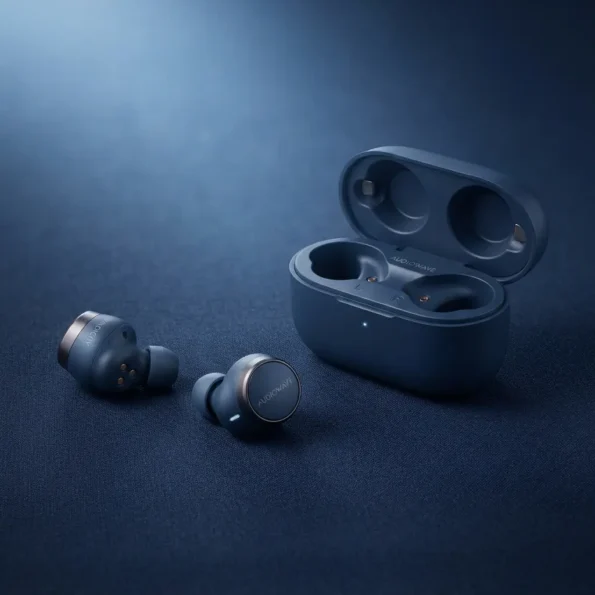
Wireless Earphones connect to compatible devices without a traditional audio cable, usually through Bluetooth. Truly wireless earbuds have no cable connecting the two earpieces and normally come with a charging case.
Both types are designed to deliver personal audio, but they offer different advantages depending on your requirements.
1. Sound Quality: Which Earphones Sound Better?
Sound quality is one of the first things buyers consider when comparing earphones.
Wired earphones transmit audio through a physical connection. They do not need Bluetooth audio transmission, which means there is no Bluetooth codec stage in the signal path for a traditional passive wired model.
Wireless earphones use Bluetooth technology to receive audio. The sound quality can depend on the Bluetooth codec, the source device, the earphones’ drivers and their audio tuning.
However, this does not mean that every wired model sounds better than every wireless model.
A well designed pair of wireless earbuds can deliver excellent sound, while an inexpensive wired pair may offer only basic audio performance.
When comparing products, look for:
- Clear vocals and balanced sound.
- Suitable bass response.
- Good instrument separation.
- Comfortable ear tips and a secure fit.
- Audio settings or equaliser support, where available.
The best choice is the model that delivers the listening experience you enjoy.
2. Battery Life and Charging Requirements
Battery requirements are a major difference between the two types.
Wired Earphones
Traditional passive wired earphones do not need a separate rechargeable battery for ordinary audio playback. You simply connect them to a compatible device and start listening.
This makes them useful for people who do not want another device to charge.
Some advanced wired models with active electronics may have their own power requirements, so always check the product specifications.
Wireless Earphones
Bluetooth earphones require built in rechargeable batteries.
Truly wireless earbuds usually come with a charging case that stores additional power and allows you to recharge the earbuds when they are not in use.
Before buying wireless earphones, consider:
- Playback time per charge.
- Total battery life with the charging case.
- Charging time.
- USB-C or other charging connection.
- Battery information with noise cancellation enabled or disabled.
If you frequently travel or spend long periods away from a power source, battery performance should be an important part of your decision.
3. Convenience and Everyday Use
Wireless earphones offer greater freedom of movement because there is no cable connecting them to your phone or laptop.
They can be useful when:
- Travelling on public transport.
- Walking around outdoors.
- Exercising or visiting the gym.
- Working while moving between tasks.
- Listening to music without handling your phone.
Wired earphones offer a different type of convenience. There is no Bluetooth pairing process, no separate earphone battery to manage and no charging case to carry.
You can connect them to a compatible device and start listening.
However, the cable can become tangled, catch on clothing or restrict movement.
Your daily routine should help determine which design is more suitable.
4. Connectivity and Device Compatibility
Before purchasing earphones, check which connections your devices support.
3.5mm Wired Earphones
The traditional 3.5mm audio connector is widely used on compatible laptops, computers, tablets and some smartphones.
It provides a straightforward connection without Bluetooth pairing.
However, many modern smartphones no longer include a dedicated 3.5mm headphone socket.
USB-C Wired Earphones
USB-C earphones connect through a compatible USB-C port.
They can be useful for newer smartphones, tablets and laptops that support USB-C audio output.
Not every USB-C port or adapter supports every audio function, so check compatibility before purchasing.
Bluetooth Wireless Earphones
Bluetooth earphones connect wirelessly to compatible devices.
The pairing process usually involves switching on the earbuds, enabling Bluetooth on your device and selecting the earphones from the available device list.
Check Bluetooth compatibility, supported features and connection stability before buying.
5. Comfort and Fit
Comfort matters when you wear earphones for extended periods.
Both wired and wireless models are available in different shapes and sizes. Some have soft silicone ear tips, while others use a more traditional hard shell design.
For a comfortable listening experience, consider:
- The shape and size of the earpieces.
- Available ear tip sizes.
- Weight and overall design.
- How securely the earphones fit.
- Whether the cable causes discomfort during movement.
Wireless earbuds may include different ear tip sizes to improve fit. Wired earphones also come in comfortable designs suitable for everyday listening.
The best option depends on your ears and personal preference.
6. Microphone Quality and Phone Calls
If you regularly make phone calls, attend online meetings or record voice messages, microphone quality is worth considering.
Many wired earphones include an in line microphone and buttons for controlling calls and music.
Wireless earphones may offer built in microphones, touch controls and additional call features.
However, microphone performance varies between products. Background noise, microphone placement and software processing can all affect call clarity.
If you plan to use earphones for work or online meetings, check microphone specifications and independent reviews before buying.
7. Gaming, Videos and Audio Latency
Audio latency refers to the delay between an action or sound being produced and the audio reaching your ears.
Traditional passive wired earphones offer a direct connection and generally have very low audio delay. This can be useful for gaming, video editing, music production and other activities where timing matters.
Bluetooth earphones introduce some delay because audio must be encoded, transmitted and processed.
For everyday music listening, this may not be noticeable. However, it can become more important when playing fast paced games or watching videos where audio and picture synchronisation matters.
Some wireless gaming products use dedicated low latency wireless connections rather than standard Bluetooth. These can reduce delay, but check the connection type before purchasing.
If predictable low latency is your priority, wired earphones are a straightforward choice.
8. Price and Long Term Value
Wired earphones are often available at affordable prices, making them suitable for people who want a simple listening solution.
Wireless earphones can cost more because they may include rechargeable batteries, Bluetooth components, charging cases, microphones, touch controls and additional software features.
However, there are budget friendly options in both categories.
When comparing prices, consider:
- Build quality.
- Sound performance.
- Comfort.
- Battery performance.
- Available features.
- Warranty and returns information.
A higher price does not automatically guarantee a better experience. Choose a product that offers the features you genuinely need.
9. Durability and Maintenance
Both types of earphones need proper care.
Wired earphones can experience cable damage, particularly around the connector and the points where the cable joins the earpieces. Pulling the cable instead of the plug can increase the risk of damage.
Wireless earphones do not have a traditional audio cable, but their rechargeable batteries gradually lose capacity over time. Charging cases and small charging contacts also need care.
To maintain your earphones:
- Store them in a suitable case or pouch.
- Keep them away from excessive moisture.
- Clean ear tips and speaker openings carefully.
- Avoid pulling or twisting cables.
- Keep wireless charging contacts clean.
- Follow the manufacturer's care instructions.
Good maintenance can help keep your earphones working properly for longer.
10. Which Earphones Are Best for Different Situations?
The best earphones depend on your daily activities.
For Students
Wired earphones can be a simple option for online lessons, studying and listening to educational content. Wireless earbuds may be more convenient when travelling between classes or studying away from a desk.
For Office Workers
Wireless earphones can make it easier to move around during calls and everyday tasks. Wired earphones can be useful for desk based work where a direct connection is preferred.
For Travelling
Wireless earbuds are convenient for commuting because there is no cable to manage. Consider battery life, comfort and noise cancellation if you travel frequently.
For Gaming
Wired earphones are a good option when low latency and a dependable connection are important. Wireless gaming earphones can also work well when they support a suitable low latency connection.
For Music Lovers
Both types can provide enjoyable sound. Compare the tuning, comfort, fit and supported audio features rather than choosing based only on the connection type.

Wired vs Wireless Earphones: Quick Comparison
Feature
Wired Earphones
Wireless Earphones
Connection
Physical cable
Usually Bluetooth
Battery
Not usually required for passive models
Requires charging
Movement
Cable can restrict movement
Greater freedom
Sound quality
Depends on model and source
Depends on model, codec and source
Latency
Generally very low
Varies by connection and codec
Pairing
Not required
Bluetooth pairing required
Price
Often affordable
Wide range of prices
Maintenance
Cable and connector care
Battery and charging case care
Best for
Simple listening and low latency
Travel and everyday convenience
Common Mistakes to Avoid When Buying Earphones
Before choosing a pair, avoid these common mistakes:
- 1. Buying wired earphones without checking whether your device supports their connector.
- 2. Assuming every wireless model offers the same battery life.
- 3. Choosing a product based only on its advertised sound features.
- 4. Ignoring ear tip sizes and comfort.
- 5. Overlooking microphone quality if you make regular calls.
- 6. Assuming Bluetooth earphones always have perfect audio synchronisation.
- 7. Forgetting to check the charging case and charging connection.
- 8. Paying extra for features you will rarely use.
Taking a few minutes to compare specifications can help you find a more suitable product.
How to Choose the Right Earphones for Your Needs
Before making your final decision, ask yourself these questions:
- Do I prefer a cable free listening experience?
- Do I want earphones that do not need separate charging?
- Does my smartphone have a 3.5mm audio jack or USB-C port?
- Will I mainly use them for music, calls, videos or gaming?
- How important are microphone quality and battery life?
- What is my budget?
If you value simplicity, low latency and no separate charging requirements, wired earphones may be right for you.
If you prefer freedom of movement, Bluetooth connectivity and modern features, wireless earphones may be a better fit.
Explore Earphones and Audio Accessories at i-Tech Groups
Finding suitable earphones is easier when you understand your listening requirements and compare the available features.
At i-Tech Groups, you can explore audio accessories and technology products for everyday use. Whether you prefer traditional wired earphones or modern wireless earbuds, consider compatibility, comfort, sound quality and value before choosing your next pair.
Explore our headphones and audio accessories to discover products for your everyday listening needs.
Frequently Asked Questions
Are wired earphones better than wireless earphones?
Not always. Wired earphones offer a direct connection and do not normally need a separate battery. Wireless earphones offer greater freedom of movement and additional features. The better option depends on your requirements and the specific product.
Do wireless earphones need charging?
Yes. Bluetooth wireless earphones use rechargeable batteries. Truly wireless earbuds generally come with a charging case that provides additional charging capacity.
Do wired earphones have better sound quality?
A wired connection avoids Bluetooth audio transmission, but it does not guarantee better sound. Driver quality, tuning, fit and the audio source all affect the listening experience.
Are wireless earphones good for gaming?
They can be, especially models with suitable low latency connections. However, standard Bluetooth can introduce audio delay. Wired earphones are a dependable option when timing is important.
Can I use wired earphones with a USB-C smartphone?
Yes, if the earphones and smartphone support USB-C audio. Some devices may require a compatible adapter. Check the manufacturer’s specifications before purchasing.
Which earphones are better for travelling?
Wireless earbuds are often convenient for travelling because they do not have a cable connecting them to your phone. However, battery life, comfort and noise cancellation should also be considered.
Are wired earphones cheaper?
Many wired earphones are available at lower prices because they do not require Bluetooth hardware or rechargeable batteries. However, both wired and wireless products are available across different price ranges.
Final Thoughts
Choosing between wired and wireless earphones is ultimately about finding the right balance between convenience, sound, comfort, connectivity and price.
Wired earphones remain a practical choice for people who prefer a simple connection, low latency and no separate charging requirements. Wireless earphones are ideal for those who value freedom of movement, Bluetooth connectivity and modern listening features.
There is no single winner for everyone. Compare the specifications, think about how you use your devices and choose earphones that fit your everyday routine.
Explore the audio accessories available at i-Tech Groups and find an option that suits your listening needs.